By Oluwakemi Kindness
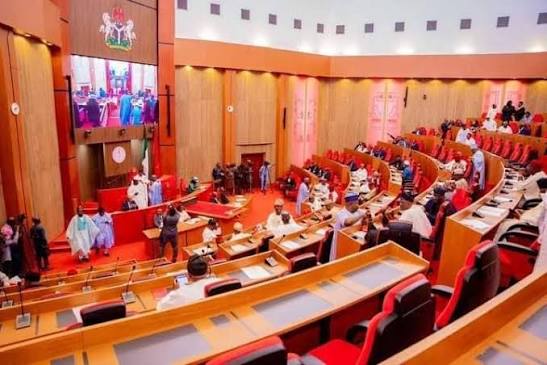
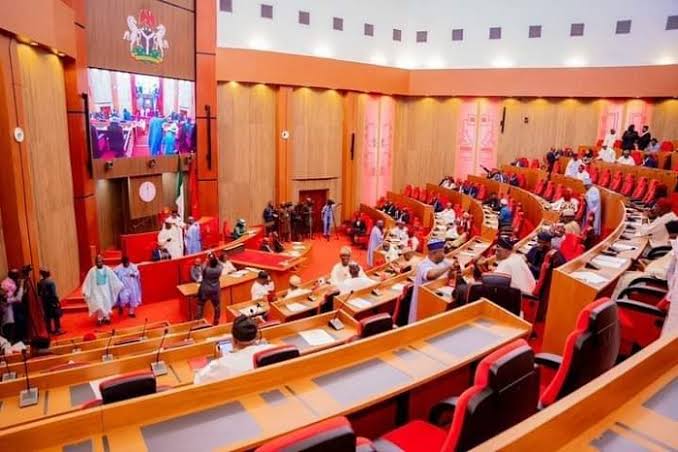
The House of Representatives has passed the proposed State Police Bill, marking a major step toward restructuring Nigeria’s security architecture and decentralising policing across the country.
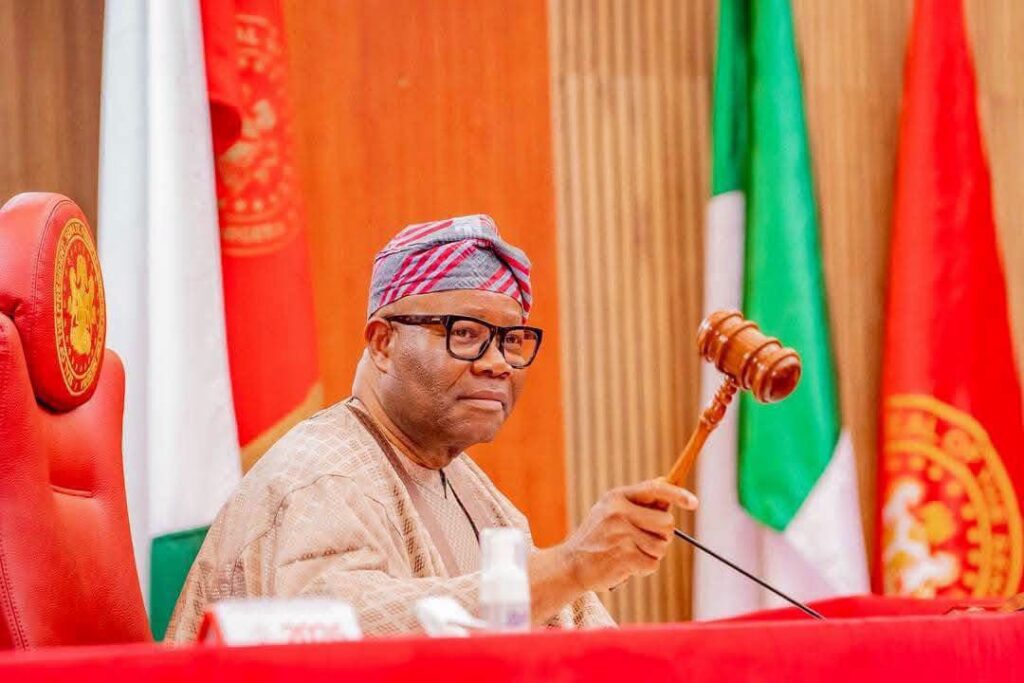
The constitutional amendment bill, titled “A Bill for an Act to Alter the Constitution of the Federal Republic of Nigeria, 1999 to Provide for the Establishment of State Police and for Related Matters (Sixth Alteration) Bill, 2026,” was approved on Thursday during consideration at the Committee of the Whole, presided over by Speaker Tajudeen Abbas.
The bill received overwhelming support from lawmakers after Deputy Speaker and Chairman of the House Committee on Constitution Review, Benjamin Kalu, presented the report and urged members to back the proposal.
Voting was conducted manually, with 289 lawmakers voting in favour of the bill, one abstaining and none voting against it.
Key Provisions of the State Police Bill
The proposed amendment seeks to create both Federal Police and State Police formations, fundamentally altering Nigeria’s policing structure.
Under the bill, state police forces can only become operational after the relevant State House of Assembly passes a law establishing them and certifies compliance with national standards set by the National Assembly.
Until a state police force is fully established, the Federal Police will continue to carry out policing responsibilities within the state.
The legislation also limits federal intervention in state security affairs. Under the proposal, the Federal Police may only intervene in a state where there is a breakdown of law and order, upon the request of a governor, or where a state police force becomes unable to function effectively.
New Appointment and Command Structure
The bill introduces changes to police leadership appointments.
If passed into law, the Inspector-General of Police will be appointed by the President on the advice of the Nigeria Police Council and confirmed by the National Assembly.
Similarly, State Commissioners of Police will be appointed by governors on the advice of the Nigeria Police Council and confirmed by their respective State Houses of Assembly.
Governors will have the authority to issue lawful directives to State Commissioners of Police on public safety and law enforcement matters.
However, commissioners may refer directives they consider unlawful or inconsistent with policing standards to the Nigeria Police Council for a final decision.
The passage of the bill is widely regarded as one of the most significant security reforms proposed since Nigeria’s return to democratic rule in 1999 and is expected to reignite national conversations on funding, accountability, operational control and safeguards against abuse of state policing powers.